
By Dr. Sergey Terushkin, MD, FACS
Key Takeaway:
- Belly fat, especially visceral fat, increases risk of diabetes, heart disease, and more.
- Diet and exercise help, but aren’t always enough.
- Medical treatments like Semaglutide, Tirzepatide, MICC shots, and Tesamorelin can target stubborn fat.
- Doctor-supervised weight loss plans are safer and more effective long-term.
- High BMI + belly fat? Talk to a specialist about your options.
Table of Contents
show
Lose Belly Fat Fast? Here’s What Really Works (and What Doesn’t)
What is Belly Fat?
Belly fat, also known as abdominal fat, is the fat stored around your midsection. It can be both subcutaneous fat (the soft layer directly under your skin) and visceral fat (the deeper fat that wraps around your internal organs like the liver and intestines). While some body fat is normal and even necessary for healthy hormone function and insulation, excessive belly fat—especially visceral fat—can pose serious health risks.
Types of Belly Fat
- Subcutaneous fat: The pinchable fat layer you can feel right under the skin.
- Visceral fat: The hidden fat inside the abdominal cavity that surrounds vital organs.
- Retroperitoneal fat: A deeper fat deposit behind the abdominal cavity, often associated with increased risk of metabolic disease.
Visceral fat is especially dangerous because it’s linked to chronic conditions like type 2 diabetes, heart disease, high blood pressure, and certain cancers.
Belly Fat and Obesity in the USA
Obesity remains a major public health concern in the United States. According to the CDC, over 40% of U.S. adults are classified as obese, and excess belly fat is a key contributor to many obesity-related health problems. Lifestyle factors like poor diet, lack of physical activity, stress, hormonal imbalances, and genetics all play a role in how and where your body stores fat.
How to Treat Belly Fat: Modern Medical Weight Loss
How to reduce visceral body fat (hidden fat)
While diet and exercise remain the foundation for losing belly fat, many patients need additional help when traditional methods fall short. This is where medical weight loss comes in — a doctor-supervised approach that uses proven, FDA-approved treatments to target stubborn fat and support lasting results.
Some effective options include:
- Semaglutide (Ozempic®, Wegovy®): A GLP-1 receptor agonist that helps regulate appetite, control blood sugar, and promote significant weight loss.
- Tirzepatide (Mounjaro®, Zepbound®): Another advanced medication that combines GLP-1 and GIP receptor agonist actions to help patients lose weight more effectively than diet and exercise alone.
Read More: Advanced Weight Loss Clinic for Medical and Bariatric Surgery

- MICC Injections: MICC stands for Methionine, Inositol, Choline, and Cyanocobalamin (Vitamin B12). These lipotropic injections help support fat loss by increasing overall energy levels, boosting metabolism, and helping break down stubborn fat deposits—especially around the belly.
- Tesamorelin Peptide Therapy: Originally developed to reduce excess abdominal fat in patients with HIV-associated lipodystrophy, Tesamorelin is now used off-label to help reduce visceral fat by stimulating the body’s natural growth hormone production. This can improve body composition, increase metabolism, and help reduce belly fat in some patients.
Read More: Tesamorelin Peptide Therapy: Benefits, Side Effects, Prescription & Where to Get It

Takeaway
Losing belly fat isn’t just about looking better — it’s about improving your overall health, lowering your risk for chronic disease, and boosting your confidence and energy levels. If you’re struggling with stubborn belly fat, you don’t have to go it alone.
As a board-certified bariatric surgeon and weight loss specialist, I help patients combine lifestyle changes with modern medical treatments like Semaglutide, Tirzepatide, MICC injections, and Tesamorelin therapy to get real results, safely and effectively.
BMI Guide: Find Out If You’re Overweight or Obese
One of the simplest ways to check if you’re carrying excess fat — including belly fat — is to know your BMI, or Body Mass Index. BMI is a quick calculation that uses your height and weight to estimate whether you’re underweight, at a healthy weight, overweight, or obese.
- BMI under 18.5: Underweight
- BMI 18.5 – 24.9: Normal weight
- BMI 25 – 29.9: Overweight
- BMI 30 or higher: Obese
While BMI doesn’t measure fat directly, it’s a useful screening tool. If your BMI is in the overweight or obese range and you’re noticing more fat around your belly, it’s worth speaking to a doctor about safe, effective options for losing it — especially visceral fat, which BMI alone can’t show but often goes hand-in-hand with a high score.
Check Your BMI: Are You Carrying Excess Belly Fat?
BMI Calculator
Body Mass Index (BMI) estimates body fat based on height and weight. Select your measurement system below.

Disclaimer: These external resources are provided for general education only and do not replace medical advice from your provider.
Trusted Resources
If you’d like to learn more about Tesamorelin, visceral fat, medical weight loss medications, and overall metabolic health, here are some trusted sources for additional reading:
- FDA Tesamorelin Drug Label (Egrifta®) — Official prescribing information for Tesamorelin from the U.S. Food and Drug Administration.
- Semaglutide and Tirzepatide for Weight Loss
- Your First 3 Months on Semaglutide: How Much Weight Can You Lose with Ozempic®?
- NIH Drug Information Portal: Tesamorelin — Scientific overview from the National Institutes of Health.
- PubMed: Tesamorelin Research Studies — Peer-reviewed medical studies on Tesamorelin’s uses and outcomes.
- Mayo Clinic: Understanding Belly Fat — General guide on visceral fat and its health impact.
- American Association of Clinical Endocrinologists (AACE) — Trusted information on obesity, metabolic syndrome, and hormone health.
Disclaimer:
This article is for informational purposes only and does not constitute medical advice. Always consult with a qualified healthcare provider before starting any weight loss program, prescription medication, injection therapy, or medical treatment discussed here. Individual results may vary. Dr. Sergey Terushkin, MD, FACS, and this website do not guarantee specific outcomes. If you have any questions about your health, please schedule a consultation with a licensed medical professional.

Additional Links:
- Medical Weight Loss & Bariatric Surgery in Doral, FL
- Top Weight-Loss Doctor Serving Jupiter, FL
- Weight Loss Doctor and Clinic in Davie, FL
- Affordable Weight Loss Doctor and Clinic in Boynton Beach, FL
- Top Weight Loss Doctor North Miami | Medical and Bariatric Weight Loss Clinic
- Understanding Your Tirzepatide Dosing Schedule for Weight Loss
- Mastering Mounjaro & Ozempic Injections: A Simple Guide
- Can I Become Addicted to Ozempic or Mounjaro? A Doctor’s Perspective

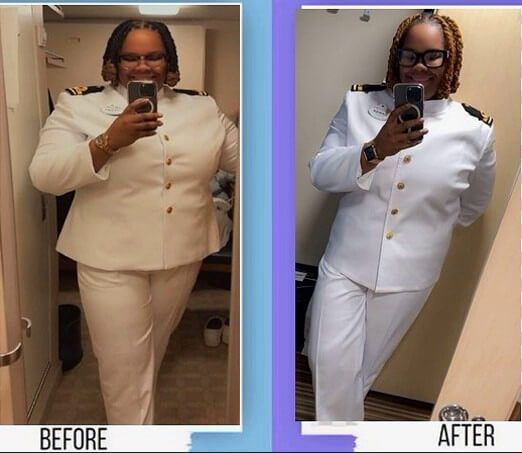
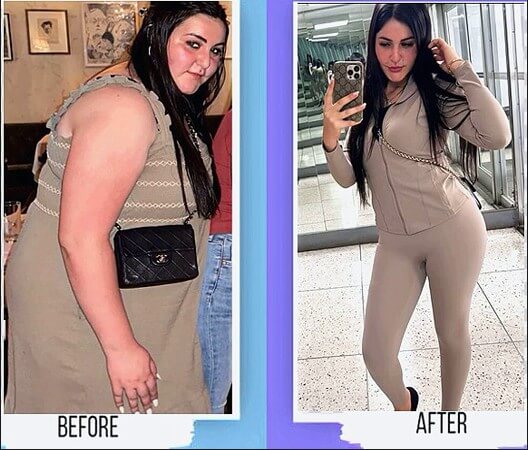
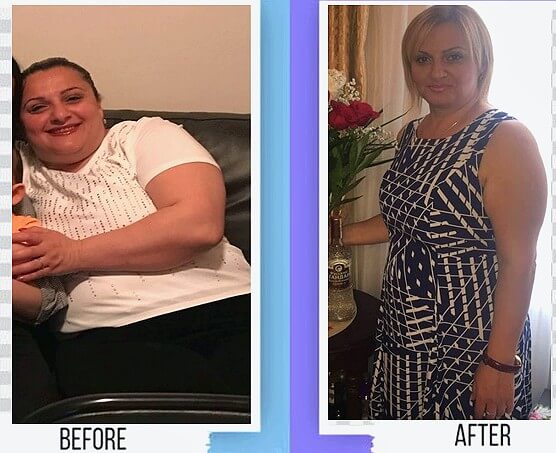
Before & After
Real people, REAL RESULTS! Medical Weight Loss and Bariatrich Surgery - Check out a few of the many people that we have helped reach their ideal weight goals over the years.










Trusted Doctors, Skilled Team, Exceptional Results
Where Modern Medicine Meets Holistic Healing – Personalized Care That Balances Science, Nature, and Your Unique Health Goals.

Dr. Sergey Terushkin, MD, FACS, is a leading bariatric surgeon now serving patients throughout South Florida in partnership with Florida Wellness & Medical Care in Hollywood, FL. He offers a comprehensive range of weight loss solutions, including Gastric Sleeve, Gastric Bypass, Spatz3 Adjustable Gastric Balloon, Revisional Bariatric Surgery, and post-bariatric procedures such as excess skin removal.