
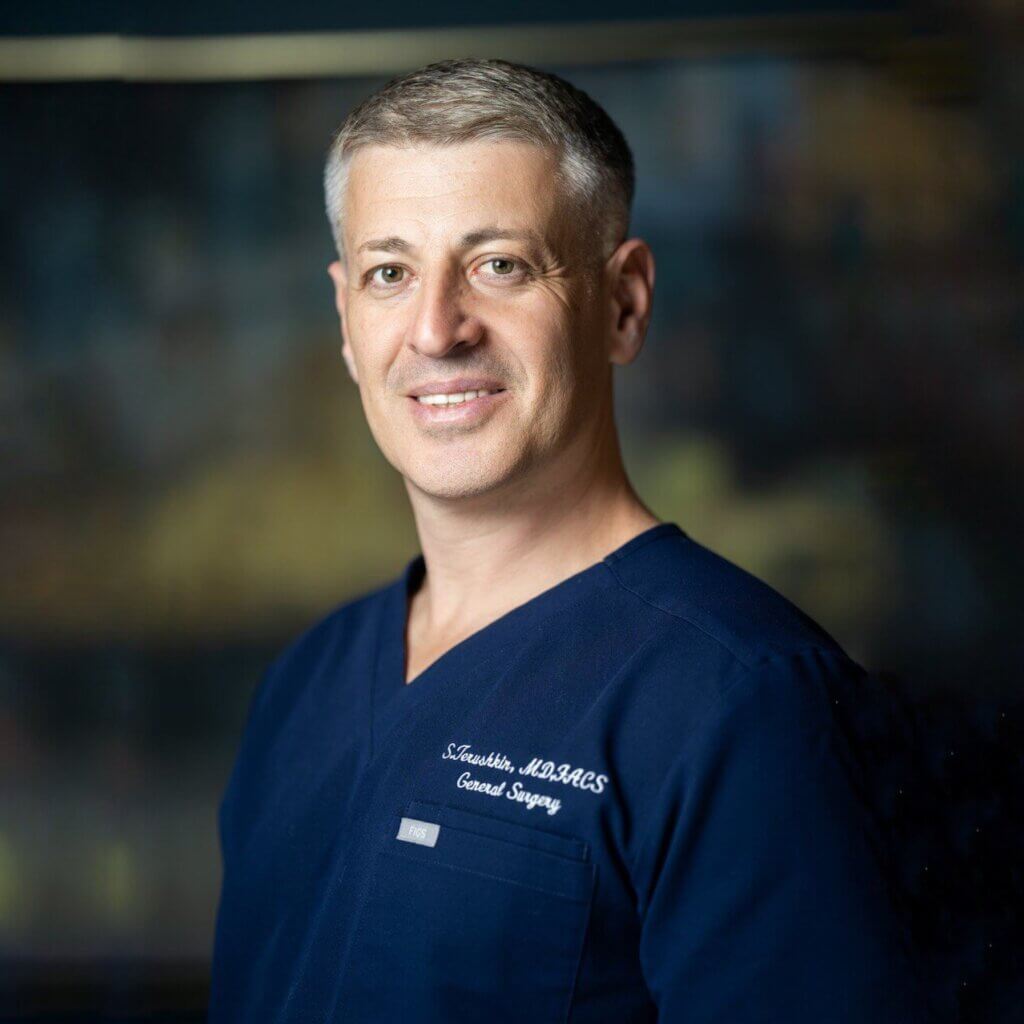
By Dr. Sergey Terushkin, MD, FACS & Karla K. Mioduchoski, FNP-BC
Key Takeaway:
- ✅ Natural healing using your own platelets
- ✅ Pain relief for joints, tendons, and muscles
- ✅ Non-surgical option with faster recovery
- ✅ Personalized care in-office or via Telehealth
Table of Contents
show
PRP Injections for Joint & Muscle Pain in Hollywood, FL
At Florida Wellness & Medical Care in Hollywood, FL, we offer advanced Platelet-Rich Plasma (PRP) therapy as a safe, non-surgical solution for pain management and natural healing. Using your own blood, PRP injections help repair damaged tissues, reduce inflammation, and restore mobility—making it a popular choice for patients with chronic joint pain, sports injuries, or degenerative conditions.
How PRP Therapy Works
- Blood Draw – A small amount of your blood is collected, just like a routine lab test.
- Centrifugation – The sample is spun in a centrifuge to separate its components.
- PRP Preparation – Platelets rich in growth factors are concentrated in plasma, while red and white cells are set aside.
- Injection – The PRP solution is carefully injected into the injured joint, tendon, or ligament.
- Healing Response – Platelets release growth factors that trigger the body’s natural repair process, reducing pain and promoting regeneration.
Conditions Treated with PRP
- Osteoarthritis – Helps relieve pain and stiffness in knees, hips, and other joints.
- Tendon Injuries – Effective for tendonitis, tennis elbow, and Achilles tendonitis.
- Ligament Injuries – Supports healing of sprains and partial tears.
- Muscle Strains & Tears – Accelerates recovery from sports and activity-related injuries.
Benefits of PRP Therapy
- ✔️ Pain Relief – Improves function and reduces discomfort.
- ✔️ Faster Healing – Speeds up tissue repair.
- ✔️ Reduced Inflammation – Calms chronic irritation.
- ✔️ Non-Surgical Option – An alternative to invasive surgery or long-term medication use.

Possible Side Effects of PRP Therapy
While PRP therapy is generally safe because it uses your own blood, some patients may experience:
- Mild soreness or swelling at the injection site
- Temporary bruising or redness
- Joint stiffness for 24–48 hours
- Rare risk of infection at the injection site
Most side effects resolve within a few days, and patients can usually return to normal activities quickly.
Dosing & Treatment Frequency for PRP Injections
- Standard PRP Dosing – Typically, 3–5 cc of PRP is injected into the targeted area per session.
- Treatment Course – Most patients benefit from 1–3 sessions, spaced 4–6 weeks apart.
- Maintenance – Some individuals may require follow-up treatments once or twice a year depending on the condition and severity.
Important Considerations About Insurance Coverage
- Insurance Coverage – PRP is often considered elective or experimental, and many insurance plans do not cover it.
- Cost – Pricing varies depending on treatment area and number of injections required.
- Results Vary – Effectiveness depends on the condition, severity, and your body’s healing response.
Start Your PRP Therapy Journey with Telehealth
At Florida Wellness & Medical Care, PRP therapy is accessible and convenient with secure Telehealth consultations. From home, you can review symptoms, history, and goals with our team, who will create a personalized plan and answer your questions—saving time, reducing travel, and making treatment simple.

Consultation Cost For Platelet-Rich Plasma (PRP) Therapy
Your initial consultation for Platelet-Rich Plasma (PRP) Therapy is $100, which can be completed in-office or via secure Telehealth. During this visit, our medical team will review your symptoms, health history, and treatment goals to determine if PRP is the right option for you.
Frequently Asked Questions About PRP Therapy
How long does PRP pain relief last?
Karla K. Mioduchoski, FNP-BC:
For most patients, pain relief from PRP therapy can last 6–12 months. Some individuals experience benefits beyond a year, especially with follow-up treatments or maintenance sessions.

Does PRP help with pain?
Dr. Sergey Terushkin, MD, FACS:
Yes. PRP is not just about masking pain like painkillers — it helps repair tissue at the source of the problem. By reducing inflammation and stimulating regeneration, patients often report reduced pain, better mobility, and improved function over time.
What is the downside of PRP?
Karla K. Mioduchoski, FNP-BC:
The main downsides are cost and variability of results. Since PRP is often not covered by insurance, it can be an out-of-pocket expense. Results can also differ between patients depending on the severity of their condition and overall health. Temporary soreness at the injection site is also common.
How painful is a PRP injection?
Dr. Sergey Terushkin, MD, FACS:
Most patients describe PRP injections as mildly uncomfortable, similar to a cortisone shot. We use local numbing agents to reduce discomfort. After the procedure, soreness can last a few days, but it typically improves as the healing process begins.
Are you sedated for PRP injections?
Karla K. Mioduchoski, FNP-BC:
No, sedation is not required. PRP is an outpatient procedure performed in the office. We may use local anesthesia or numbing cream, but patients remain awake and go home the same day.
What medications should be avoided with PRP?
Dr. Sergey Terushkin, MD, FACS:
We recommend avoiding NSAIDs (ibuprofen, naproxen, aspirin, etc.) for at least 1 week before and 2 weeks after PRP therapy because they can interfere with the platelet activity that makes PRP effective. Always check with your provider about prescription medications you’re taking.
What foods to avoid after PRP injection?
Karla K. Mioduchoski, FNP-BC:
After PRP, it’s best to avoid alcohol, processed foods, and excessive sugar as these may slow healing and increase inflammation. Instead, focus on a nutrient-rich diet with lean protein, omega-3 fatty acids, leafy greens, and antioxidant-rich foods to support tissue repair.
How long do you rest after a PRP injection?
Dr. Sergey Terushkin, MD, FACS:
Most patients need 24–48 hours of relative rest after the injection. Light activity is fine, but avoid strenuous exercise for about 1 week. We’ll provide a personalized recovery plan depending on whether we’re treating a joint, tendon, or muscle injury.
What are the signs that PRP is working?
Karla K. Mioduchoski, FNP-BC:
Patients often notice gradual improvements rather than overnight results. Signs that PRP is working include:
- Reduced pain and swelling
- Improved joint mobility
- Better tolerance for activity or exercise
- Gradual increase in strength and function
These changes usually start to appear within 4–6 weeks, with continued progress over several months.
How effective are PRP shots for knee pain?
Dr. Sergey Terushkin, MD, FACS:
PRP shots are especially popular for knee osteoarthritis. Studies show that PRP can improve mobility, reduce stiffness, and provide longer-lasting relief compared to steroid or hyaluronic acid injections.
Is PRP better than hyaluronic acid?
Both PRP and hyaluronic acid (HA) injections are used for joint pain and osteoarthritis, but they work differently.
- PRP promotes healing and tissue regeneration using your own growth factors.
- Hyaluronic acid acts more like a lubricant for the joint, improving movement and temporarily reducing friction.
Studies suggest that PRP often provides longer-lasting pain relief and functional improvement than HA, especially in patients with knee osteoarthritis. However, the best option depends on your condition and treatment goals.
💬 Quick Tips on PRP Therapy
🔹 How fast does PRP work?
Don’t expect magic overnight — most people start feeling better after 4–6 weeks as healing kicks in.
🔹 Is PRP worth it?
If you’re trying to avoid surgery or constant pain meds, many patients say PRP is absolutely worth it for long-term relief.
🔹 Can I work out after PRP?
Take it easy for about a week. Walking and light movement are fine, but skip heavy lifting or intense cardio until cleared.
🔹 What if PRP doesn’t work for me?
Not every patient responds the same. Sometimes a series of injections is needed, or we’ll recommend combining PRP with other therapies.
🔹 Will I be knocked out?
Nope. You’ll be awake. We use numbing medication, so it’s usually just mild soreness — not unbearable.
🔹 Any diet hacks for recovery?
Yep. Eat protein, omega-3s, and leafy greens. Avoid booze, junk food, and lots of sugar right after treatment.
Your Next Step
At Florida Wellness & Medical Care, our team provides personalized consultations to determine if PRP therapy is right for you. We’ll review your medical history, discuss treatment goals, and design a customized pain management plan tailored to your needs.
📍 Visit us at 1911 Harrison St, Suite #5, Hollywood, FL 33020
📞 Call
By Dr. Sergey Terushkin, MD, FACS & Karla K. Mioduchoski, FNP-BC
Dr. Terushkin is a board-certified bariatric and general surgeon with over 15 years of surgical expertise, and Karla Mioduchoski is a board-certified Family Nurse Practitioner specializing in integrative wellness and medical weight loss.
External Referral Links (Trusted Sources)
- Mayo Clinic – PRP Therapy Overview
- Cleveland Clinic – PRP Injections for Pain
- Harvard Health – Can PRP Heal Your Joints?
Disclaimer
PRP therapy results vary by patient and are not guaranteed. This information is educational and not a substitute for professional medical advice. Always consult a licensed provider to determine if PRP is right for you.
Contact Us
Schedule A Consultation Today
We Are Right Around The Corner When You Need Us
